Navigating Insurance: Key Insights for a Secure Future
Understanding Insurance Broker Services
As an independent insurance broker, Atlas Insurance CA plays a crucial role in helping individuals and businesses find the best insurance solutions for their unique needs. But what does this really mean, and how can you benefit from using an insurance broker?
What is an Independent Insurance Broker?
Independent insurance brokers like Atlas Insurance CA are not tied to any one insurance company. This independence allows them to:
- Shop around for the best coverage options from multiple insurers.
- Provide unbiased advice tailored to your situation.
- Find competitive rates that fit your budget.
Why Choose Atlas Insurance CA?
When working with Atlas Insurance CA, clients can expect several advantages:
Personalized Guidance
Every client is different. Insurance needs can vary widely based on factors such as:
- Age
- Health status
- Family dynamics
- Business size and industry
Atlas Insurance CA provides personalized assessment to guarantee that you receive the right coverage.
Expert Knowledge
With years of experience in the insurance landscape, the team at Atlas Insurance CA possesses deep knowledge about:
- Current market trends
- Policy details
- Claim processes
This expertise allows them to simplify complex insurance jargon and help you make informed decisions.
Common Types of Insurance Offered
Atlas Insurance CA offers a wide variety of insurance products, including:
- Auto Insurance: Protects your vehicle and personal liability in case of accidents.
- Homeowners Insurance: Covers your home and belongings against damages.
- Health Insurance: Provides essential coverage for medical services and emergencies.
- Business Insurance: Protects your business from financial losses due to unexpected events.
Tips for Making the Most of Your Insurance Coverage
Utilizing an insurance broker effectively can enhance your protection. Consider these tips:
- Be Open About Your Needs: Share your lifestyle, future plans, and any previous issues with insurance companies.
- Review Your Policies Regularly: Life changes, and so do your insurance needs. Regular reviews ensure you have adequate coverage.
- Ask Questions: Don’t hesitate to ask your broker about anything you don’t understand. Knowledge is power!
- Take Advantage of Bundling: Often, you can save money by bundling different policies together (e.g., home and auto).
Conclusion
In today’s fast-paced world, securing your financial future starts with the right insurance coverage. Atlas Insurance CA is committed to helping you navigate your options with the expertise and care you deserve. Whether you are an individual seeking personal insurance or a business looking for comprehensive coverage solutions, our team is here to guide you every step of the way.
Welcome to WordPress. This is your first post. Edit or delete it, then start writing!

The shift from static mockups to component-based design has fundamentally changed how creative teams work. Design systems aren’t just style guides — they’re living ecosystems of reusable components, design tokens, and shared principles that scale across products and teams.
From Pixels to Principles
Traditional design workflows produced beautiful but fragile deliverables. A pixel-perfect Photoshop comp couldn’t account for responsive breakpoints, dynamic content, or the thousand edge cases that emerge in production. Design systems solve this by encoding decisions — spacing scales, color tokens, interaction patterns — into reusable building blocks.
Design Tokens: The Foundation
At the heart of every design system are tokens: named values for colors, spacing, typography, shadows, and motion. Instead of hardcoding #EA580C throughout your codebase, you reference a token like –color-primary. When your brand evolves, you update the token once and the change propagates everywhere.
A design system is a product, not a project. It needs to be maintained, evolved, and supported over time.
Nathan Curtis
The ROI of Consistency
Teams that adopt design systems report measurable improvements: faster development cycles, fewer design-to-code inconsistencies, easier onboarding for new team members, and a more cohesive user experience. The upfront investment pays for itself within the first few projects.
Whether you’re a solo designer or part of a large organization, thinking in systems rather than screens will elevate your work and make it more resilient to the inevitable changes ahead.

The shift from static mockups to component-based design has fundamentally changed how creative teams work. Design systems aren’t just style guides — they’re living ecosystems of reusable components, design tokens, and shared principles that scale across products and teams.
From Pixels to Principles
Traditional design workflows produced beautiful but fragile deliverables. A pixel-perfect Photoshop comp couldn’t account for responsive breakpoints, dynamic content, or the thousand edge cases that emerge in production. Design systems solve this by encoding decisions — spacing scales, color tokens, interaction patterns — into reusable building blocks.
Design Tokens: The Foundation
At the heart of every design system are tokens: named values for colors, spacing, typography, shadows, and motion. Instead of hardcoding #EA580C throughout your codebase, you reference a token like –color-primary. When your brand evolves, you update the token once and the change propagates everywhere.
A design system is a product, not a project. It needs to be maintained, evolved, and supported over time.
Nathan Curtis
The ROI of Consistency
Teams that adopt design systems report measurable improvements: faster development cycles, fewer design-to-code inconsistencies, easier onboarding for new team members, and a more cohesive user experience. The upfront investment pays for itself within the first few projects.
Whether you’re a solo designer or part of a large organization, thinking in systems rather than screens will elevate your work and make it more resilient to the inevitable changes ahead.

The shift from static mockups to component-based design has fundamentally changed how creative teams work. Design systems aren’t just style guides — they’re living ecosystems of reusable components, design tokens, and shared principles that scale across products and teams.
From Pixels to Principles
Traditional design workflows produced beautiful but fragile deliverables. A pixel-perfect Photoshop comp couldn’t account for responsive breakpoints, dynamic content, or the thousand edge cases that emerge in production. Design systems solve this by encoding decisions — spacing scales, color tokens, interaction patterns — into reusable building blocks.
Design Tokens: The Foundation
At the heart of every design system are tokens: named values for colors, spacing, typography, shadows, and motion. Instead of hardcoding #EA580C throughout your codebase, you reference a token like –color-primary. When your brand evolves, you update the token once and the change propagates everywhere.
A design system is a product, not a project. It needs to be maintained, evolved, and supported over time.
Nathan Curtis
The ROI of Consistency
Teams that adopt design systems report measurable improvements: faster development cycles, fewer design-to-code inconsistencies, easier onboarding for new team members, and a more cohesive user experience. The upfront investment pays for itself within the first few projects.
Whether you’re a solo designer or part of a large organization, thinking in systems rather than screens will elevate your work and make it more resilient to the inevitable changes ahead.
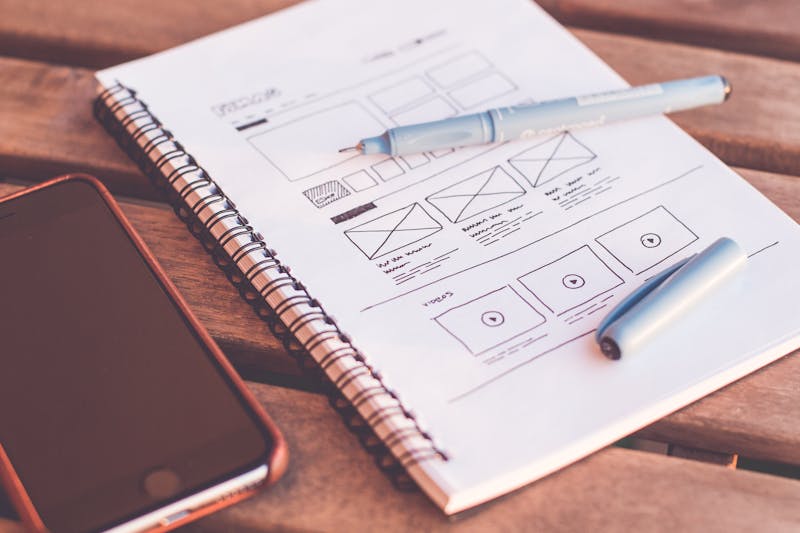
The shift from static mockups to component-based design has fundamentally changed how creative teams work. Design systems aren’t just style guides — they’re living ecosystems of reusable components, design tokens, and shared principles that scale across products and teams.
From Pixels to Principles
Traditional design workflows produced beautiful but fragile deliverables. A pixel-perfect Photoshop comp couldn’t account for responsive breakpoints, dynamic content, or the thousand edge cases that emerge in production. Design systems solve this by encoding decisions — spacing scales, color tokens, interaction patterns — into reusable building blocks.
Design Tokens: The Foundation
At the heart of every design system are tokens: named values for colors, spacing, typography, shadows, and motion. Instead of hardcoding #EA580C throughout your codebase, you reference a token like –color-primary. When your brand evolves, you update the token once and the change propagates everywhere.
A design system is a product, not a project. It needs to be maintained, evolved, and supported over time.
Nathan Curtis
The ROI of Consistency
Teams that adopt design systems report measurable improvements: faster development cycles, fewer design-to-code inconsistencies, easier onboarding for new team members, and a more cohesive user experience. The upfront investment pays for itself within the first few projects.
Whether you’re a solo designer or part of a large organization, thinking in systems rather than screens will elevate your work and make it more resilient to the inevitable changes ahead.

The shift from static mockups to component-based design has fundamentally changed how creative teams work. Design systems aren’t just style guides — they’re living ecosystems of reusable components, design tokens, and shared principles that scale across products and teams.
From Pixels to Principles
Traditional design workflows produced beautiful but fragile deliverables. A pixel-perfect Photoshop comp couldn’t account for responsive breakpoints, dynamic content, or the thousand edge cases that emerge in production. Design systems solve this by encoding decisions — spacing scales, color tokens, interaction patterns — into reusable building blocks.
Design Tokens: The Foundation
At the heart of every design system are tokens: named values for colors, spacing, typography, shadows, and motion. Instead of hardcoding #EA580C throughout your codebase, you reference a token like –color-primary. When your brand evolves, you update the token once and the change propagates everywhere.
A design system is a product, not a project. It needs to be maintained, evolved, and supported over time.
Nathan Curtis
The ROI of Consistency
Teams that adopt design systems report measurable improvements: faster development cycles, fewer design-to-code inconsistencies, easier onboarding for new team members, and a more cohesive user experience. The upfront investment pays for itself within the first few projects.
Whether you’re a solo designer or part of a large organization, thinking in systems rather than screens will elevate your work and make it more resilient to the inevitable changes ahead.